Amethyst: Purple Enchantment
History
Amethyst, with its mesmerizing purple hues, is a gemstone with a rich history that dates back thousands of years. Its name is derived from the Greek word “amethystos,” which means “not intoxicated.” Ancient Greeks believed that amethyst could protect its wearer from the effects of alcohol, making it a symbol of sobriety.
Throughout history, amethyst has been used for both practical and ornamental purposes. The stone was a favorite of royalty and is often featured in crowns, rings, and other regal jewelry. The finest amethysts have been sourced from regions such as Brazil, Uruguay, and Zambia. Notably, the largest amethyst geode ever discovered, known as the “Empress of Uruguay,” was found in Artigas, Uruguay.
Geological Facts:
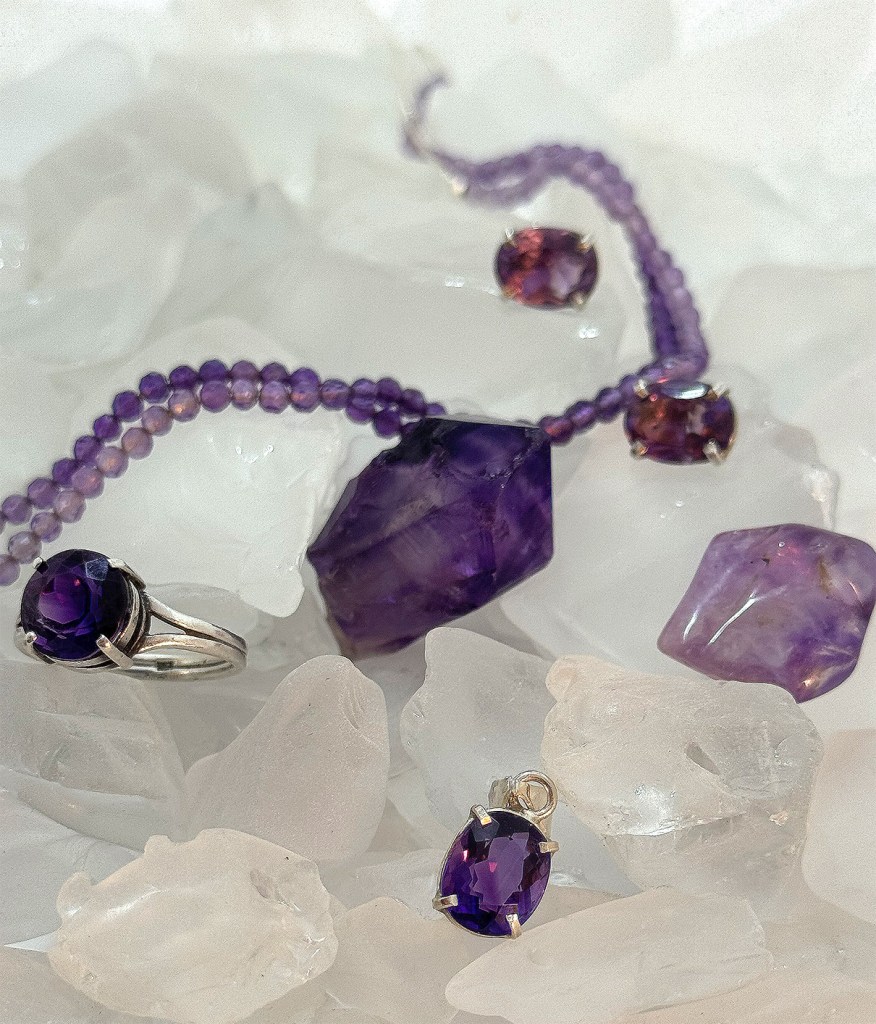
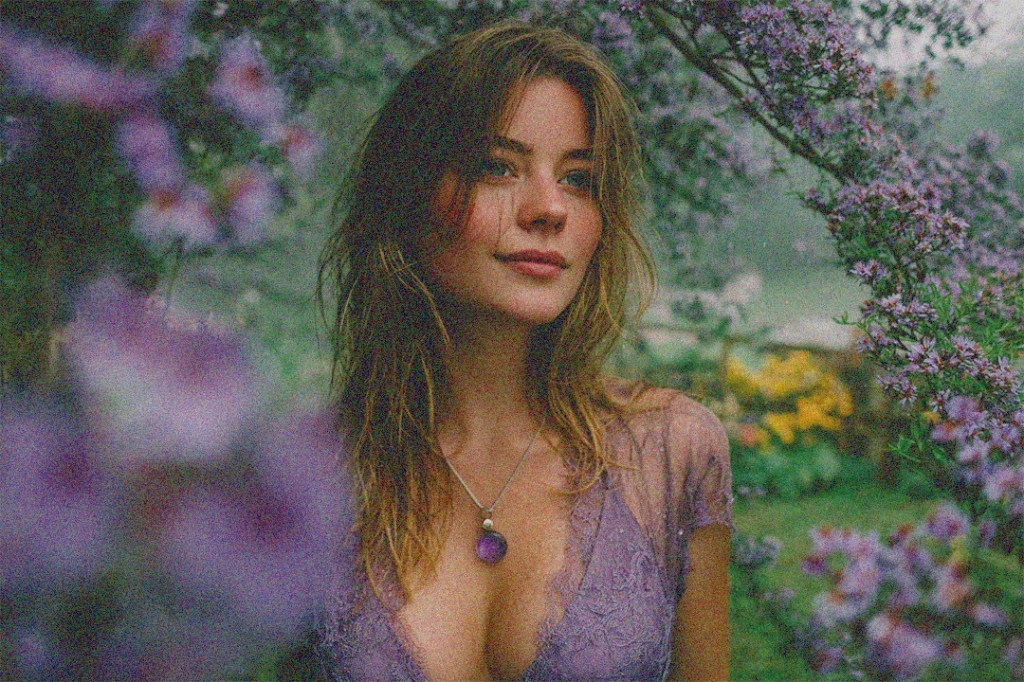
Amethyst is a variety of quartz and owes its stunning purple color to the presence of iron and aluminum impurities within its crystal structure. The gem’s color can range from pale lilac to deep violet, with the most prized amethysts exhibiting a rich, even saturation of color.
Amethyst is often found in geodes or cavities within volcanic rocks. These cavities allow for the formation of large, well-defined crystals. The mineral’s transparency and clarity vary, and it can be heat-treated to enhance its color or clarity.
Popular Beliefs and Symbolism:
Amethyst has long been associated with various cultural and mystical beliefs. Beyond its reputation for sobriety, the stone is also considered a symbol of peace and protection. In some belief systems, it’s associated with spiritual growth and harmony. Amethyst is often used in meditation and healing practices to promote balance and tranquility.
Grading and Quality:
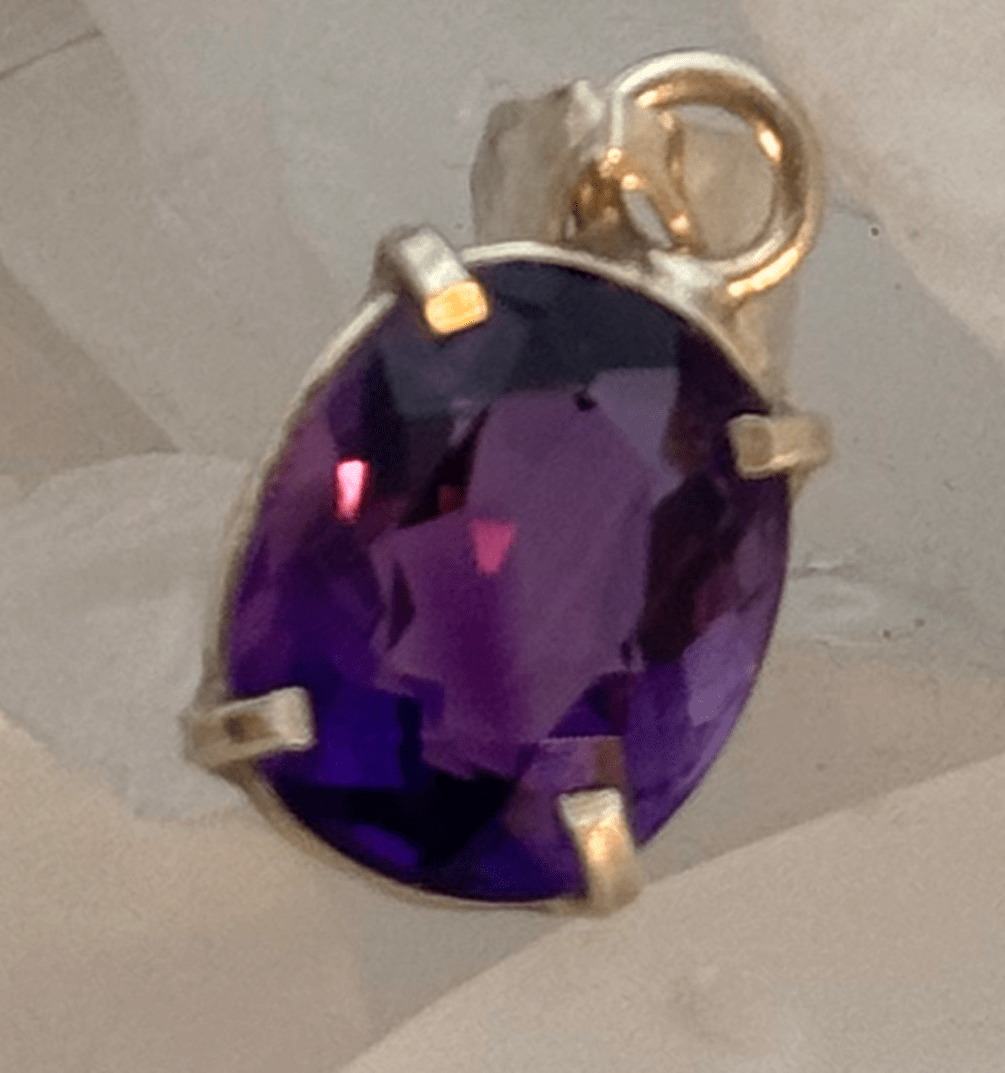
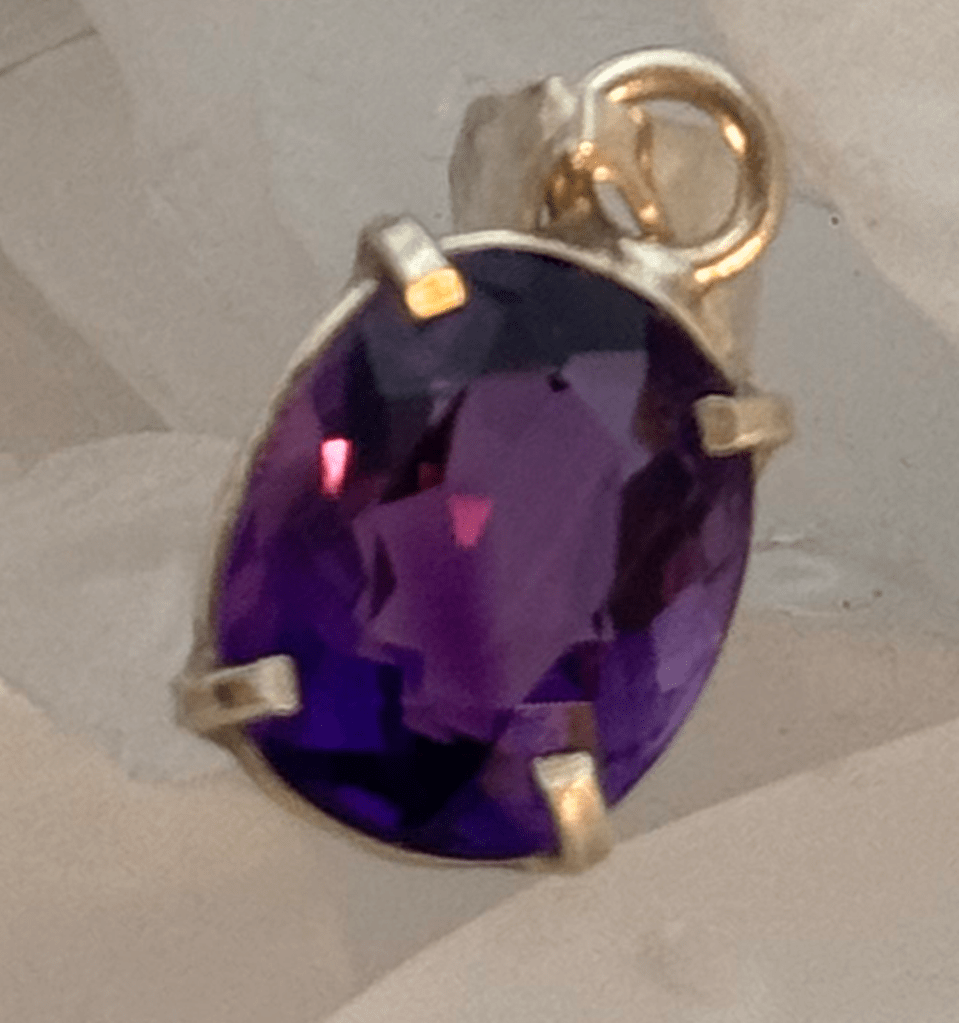
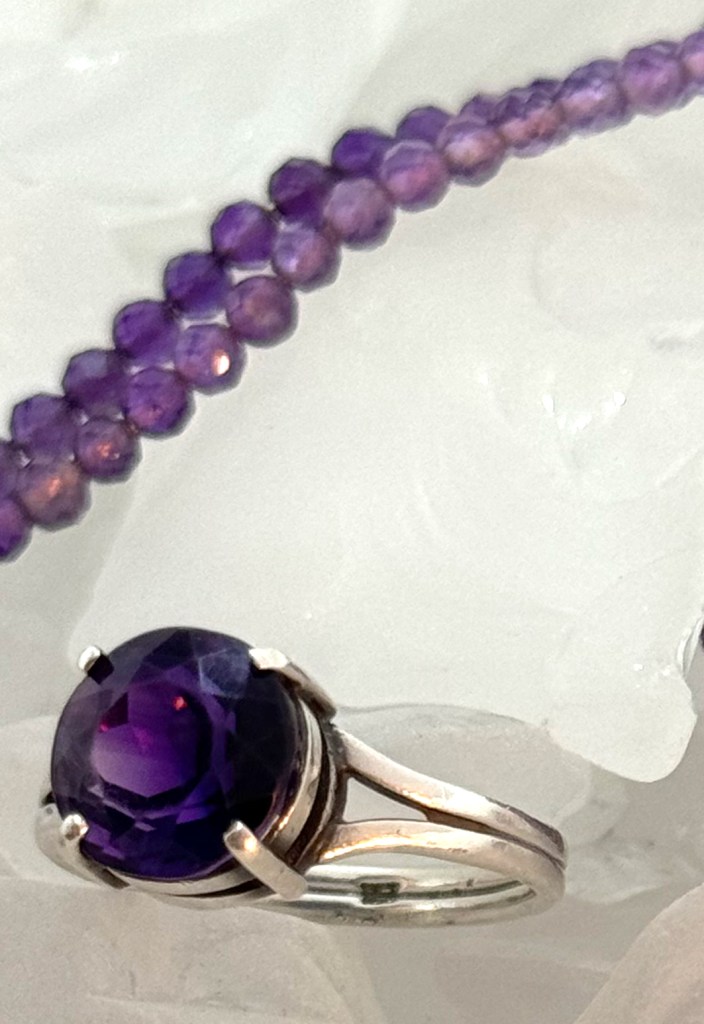
Amethyst is graded based on several factors, including color, clarity, cut, and carat weight. The finest amethysts have a deep, royal purple color with no visible inclusions. Stones with a pale or uneven color are typically of lower quality.
When evaluating amethyst, look for stones with a strong, uniform purple hue that is neither too light nor too dark. Clarity is essential, with the best amethysts being eye-clean, meaning no visible flaws to the naked eye. Well-cut amethysts should have brilliant facets that enhance their natural beauty.
Amethyst, with its captivating color and storied history, continues to be a cherished gemstone for both collectors and those seeking to incorporate its beauty and positive energy into their lives. Whether worn as jewelry or used for its spiritual significance, amethyst remains a beloved gem that has fascinated humankind for centuries.